
The Story of Giselle
Giselle is the universally adored romantic ballet. This masterpiece has entranced audiences since its first performance, in 1841. The Opéra Royal de Wallonie-Liège, in collaboration with the Ballet of the Opéra de Rome, has brought this classic tale back to the stage with fresh energy and incredible artistry.
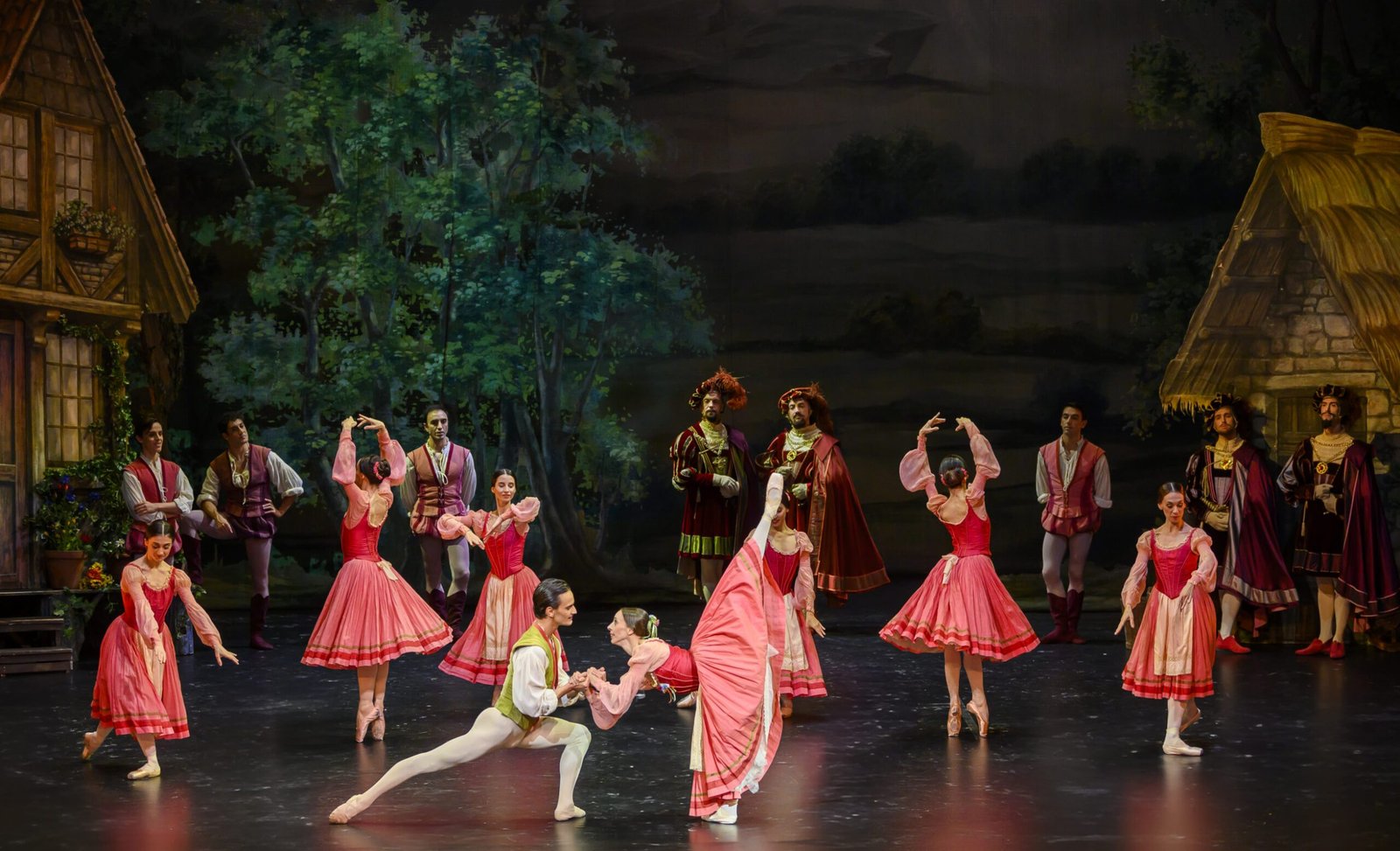
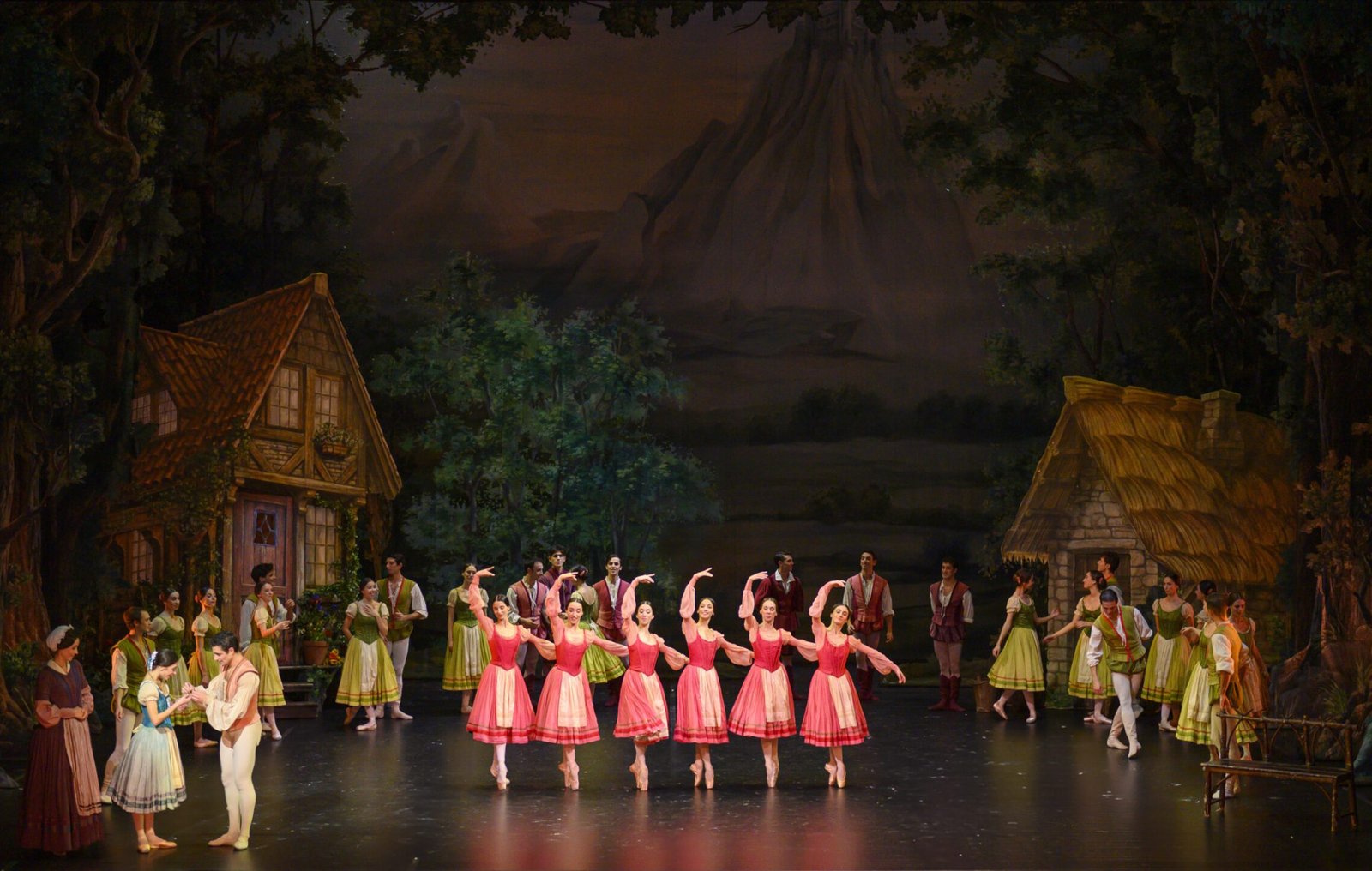
At its heart, Giselle is about a young peasant girl known for her beauty and her love of dance. She falls head over heels for Albrecht, but there is a catch. He is pretending to be a commoner to win her heart. He hides both his noble status and the fact that he is already engaged to someone else.
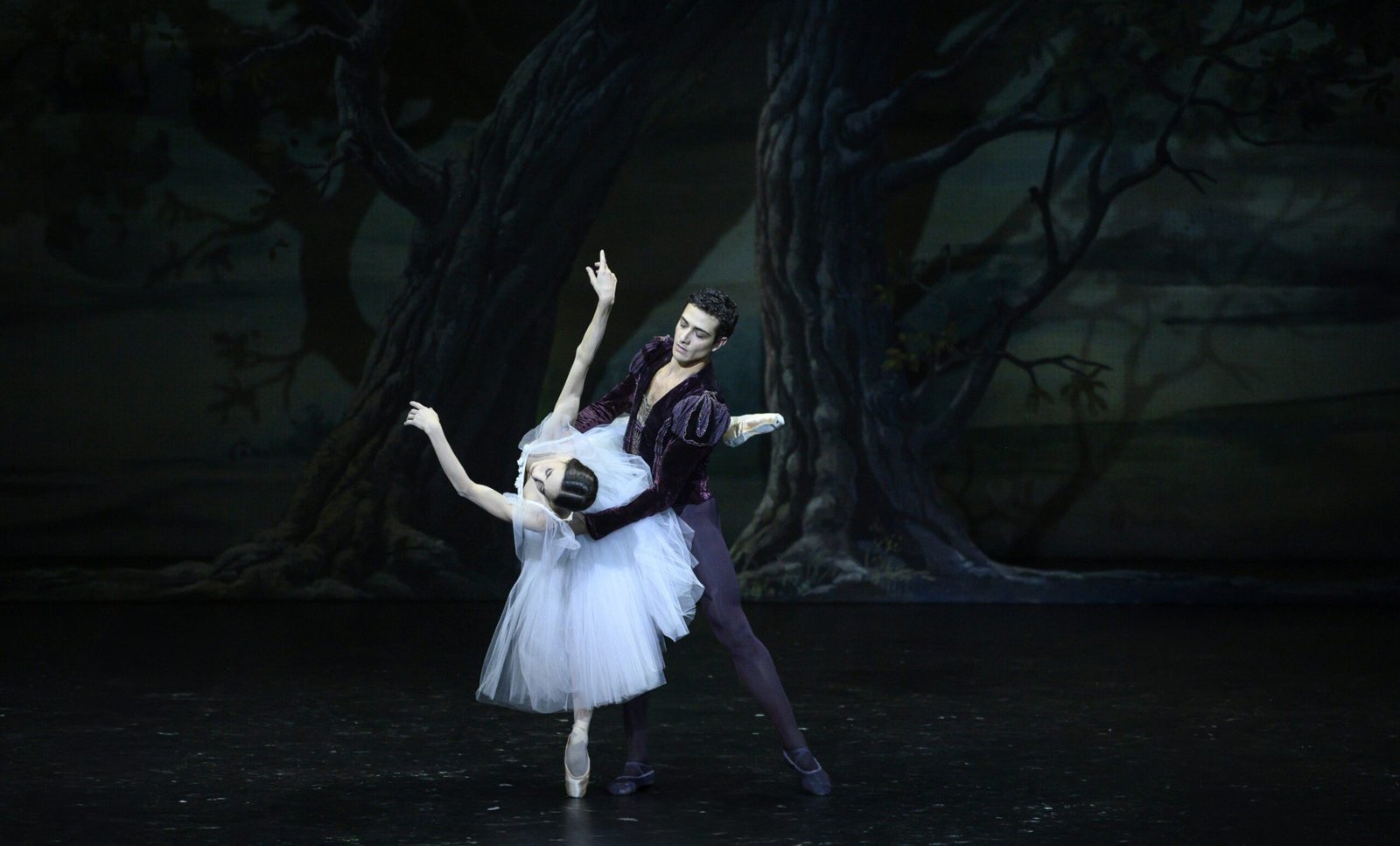
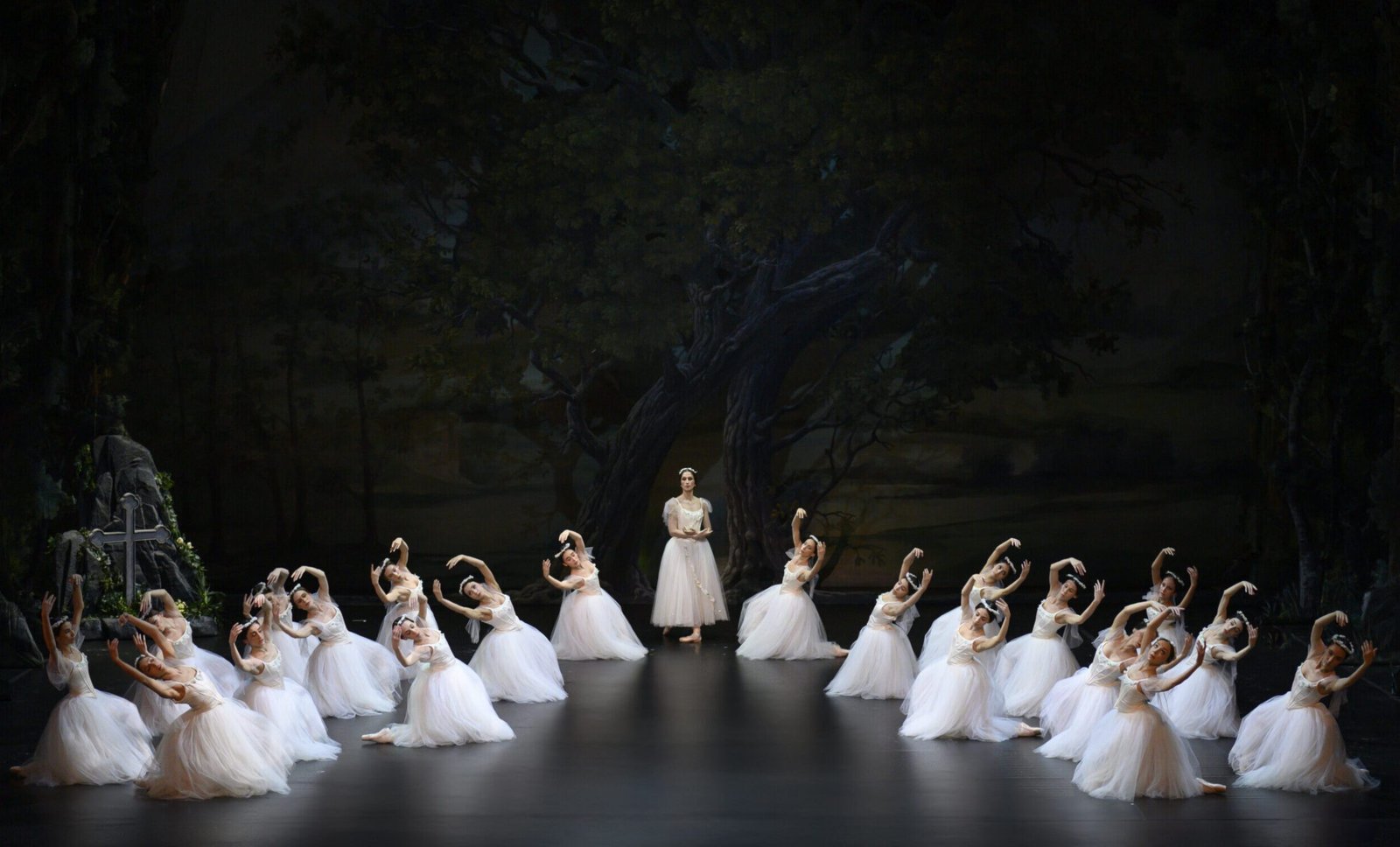
When Giselle finds out the truth, the heartbreak is too much to bear. It drives her to madness and eventually to an early death. In the second act, the story shifts into the supernatural realm of the Wilis. The Wilis are spirits led by their queen, Myrtha. They seek revenge on men, who have betrayed them, by forcing them to dance until they die.
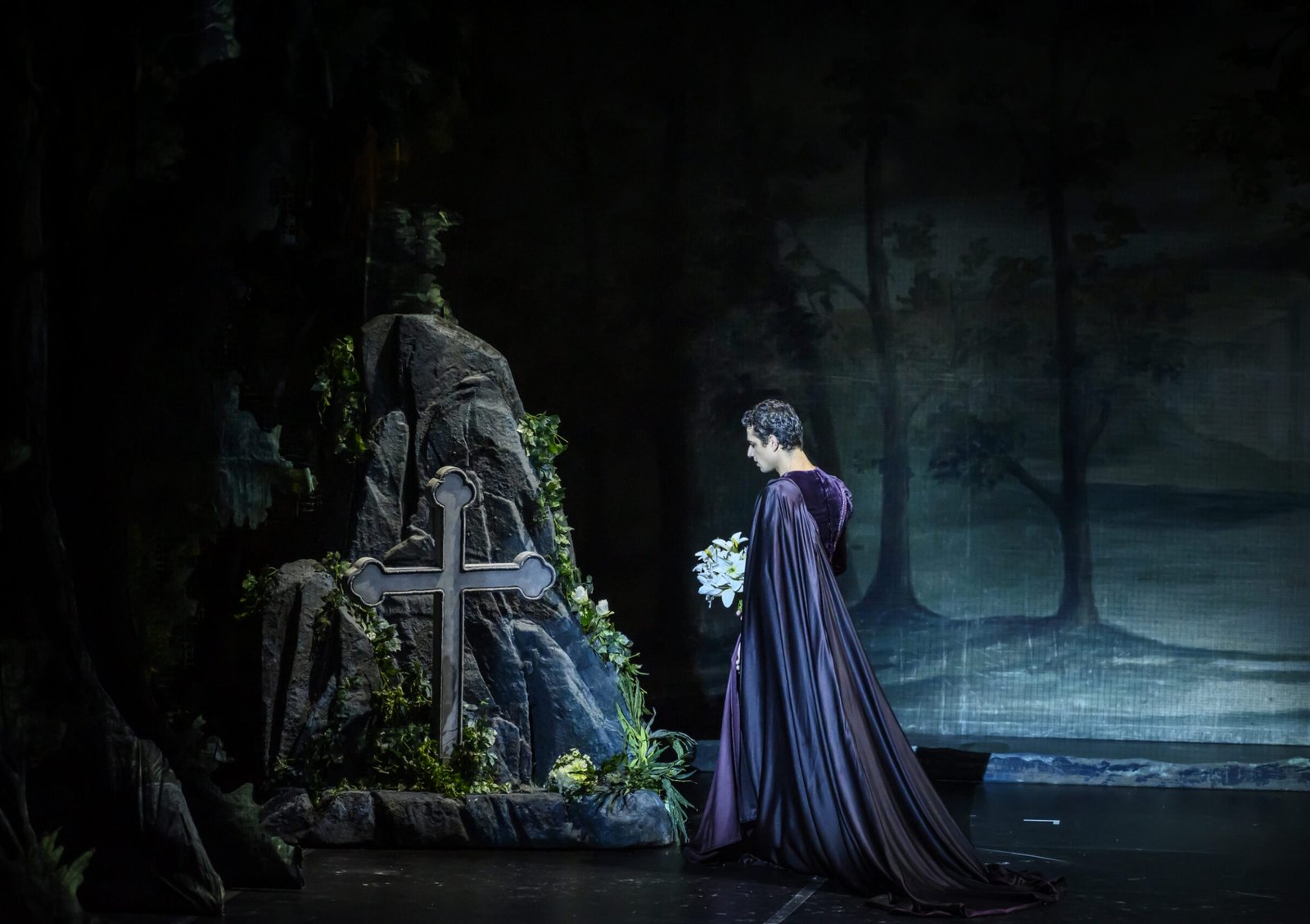
Albrecht visits Giselle’s grave. There he finds himself caught in their deadly dance. However, Giselle’s love and fathomless capacity for forgiveness protect him until the sun comes up. Sunrise breaks the power of the Wilis. His life is saved.
© J Berger_ORW-Liège
© J Berger_ORW-Liège
A Synergy of Merit
The production is a sumptuous collaboration between the Opéra Royal de Wallonie-Liège and the Ballet of the Opéra de Rome. With Alessandro Cadario conducting, the orchestra brings Adolphe Adam’s score to life with a perfect balance of precision and emotion. The choreography, inspired by the late Carla Fracci, honours the ballet’s long history while feeling modern and sensitive.
Anna Anni’s set and costume designs make a huge impact, moving seamlessly from the flamboyant village scenes of the first act to the haunting, ghostly whites of the second act.
A Must-See Production
The Opéra Royal de Wallonie-Liège describes this staging as a testament to how classical ballet can still speak to universal themes like love, betrayal, and redemption.
Whether you are a lifelong ballet fan or seeing a performance for the first time, it is the opportunity to see a masterfully executed show that respects tradition while embracing new ideas.
The Roots of Giselle
The origins of Giselle are deeply tied to 19th-century Romanticism. This movement focused heavily on emotion, nature, and the individual. French author, Théophile Gautier was inspired by a Slavic legend about the Wilis. They are the spirits of young women who died before their wedding day and spent eternity hunting unfaithful lovers.
Gautier, working with librettist Jules-Henri Vernoy de Saint-Georges and composer Adolphe Adam, turned this legend into the moving story we know today. When it premiered at the Paris Opéra on June 28, 1841, it changed everything. The lead role, originally danced by Carlotta Grisi, set a brand-new standard for what a ballerina could achieve both technically and emotionally.
The Interpretation by Opéra Royal de Wallonie-Liège
This production acknowledges the historical roots while adding contemporary touches that make the emotions feel even more real. Under Alessandro Cadario’s direction, the orchestra captures every shift in mood, from the light-hearted village vibes to the eerie, otherworldly atmosphere of the Wilis.
© J Berger_ORW-Liège
© J Berger_ORW-Liège
This production acknowledges the historical roots while adding contemporary touches that make the emotions feel even more real. Under Alessandro Cadario’s direction, the orchestra captures every shift in mood, from the light-hearted village vibes to the eerie, otherworldly atmosphere of the Wilis.
Anna Anni's Work
Visually, Anna Anni’s work adds a mesmerising dimension to the performance. The first act feels alive with vibrant colours and rich details. The second act shifts to a stark, monochromatic depiction. The Wilis, in flowing white costumes appear truly spectral. This juxtaposition mirrors the story’s move from the real world to the spirit world.
Does Giselle Still Matter?
Giselle has abiding relevance because its themes are universal. We all understand love, betrayal, and the power of forgiveness. Giselle herself is such a compelling character because she shows both extreme vulnerability and incredible strength.
For dancers, the role is the ultimate challenge. It requires more than just perfect technique; it requires the ability to portray a massive range of emotions. The spectrum flows from the pure joy of new love to the crushing despair of being lied to. This is why Giselle remains the pinnacle of roles in the entire ballet repertoire.
The Verdict
The Opéra Royal de Wallonie-Liège has created a production that honours the legacy of this classic. They have amalgamated traditional choreography with a fresh perspective.
In so doing, they breathe new life into a chronical that has moved people for over a century. By the time the curtain fell, I genuinely understood why this ballet continues to touch the human heart so deeply.
Giselle remains strikingly relevant because its emotional core is timeless. Modern audiences, attuned to conversations about consent, class, and accountability, can read the story with fresh eyes. The second act, in which the Wilis rise as spirits of betrayed women, resonates as a meditation on collective female grief and rage, while Giselle’s choice to forgive and save Albrecht still sparks debate: Is it transcendent mercy or a troubling idealization of female self-sacrifice?
As a cornerstone of Romantic ballet, Giselle also offers a living link to dance history while remaining adaptable, proving that a nearly two-hundred-year-old work can still ask urgent questions.
© J Berger_ORW-Liège