
Aachen Opens Its Season with a Singers' Don Carlo
Verdi’s grand opera receives resounding cheers at premiere. The voices won the night. But there is a feeling of pairing vintage champagne with store bought pizza.
Theater Aachen, in Germany, opened its 2026/27 season on 10 October with Verdi’s “Don Carlo”. The premiere ended in resounding applause. The singers earned most of it. The staging drew a more mixed response.
The house was sold out. After Verdi’s last thundering chord, the hall fell silent. Then the cheers broke out. The audience hailed the soloists, the chorus, the orchestra and the conductor. It was the opera debut of Levente Török, the new music director.
The 32-year-old Hungarian comes to Aachen after having been the Chief Conductor of the North Hungarian Symphony Orchestra, in Miskolc. He succeeds Christopher Ward. The Hungarian’s contract runs for five years.
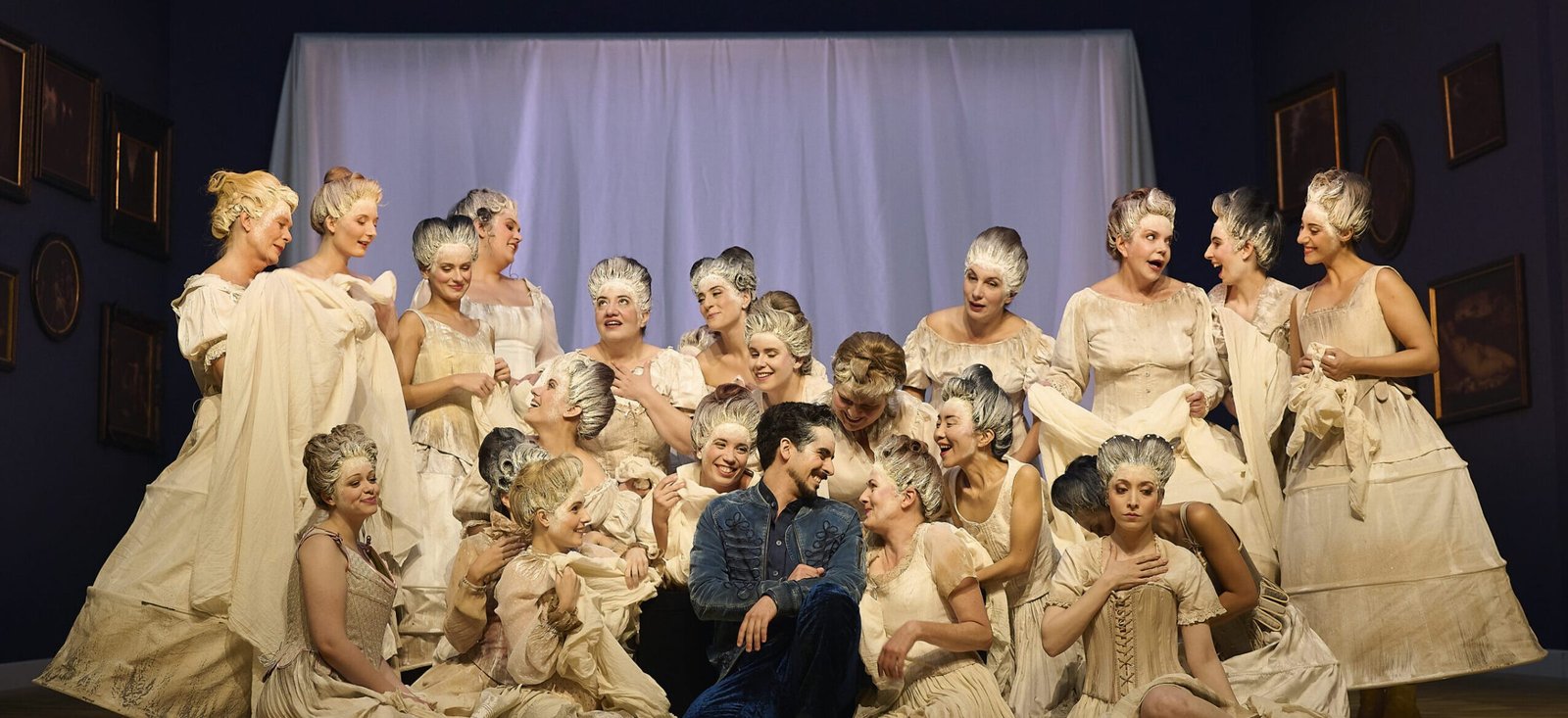
© Matthiaus Baus
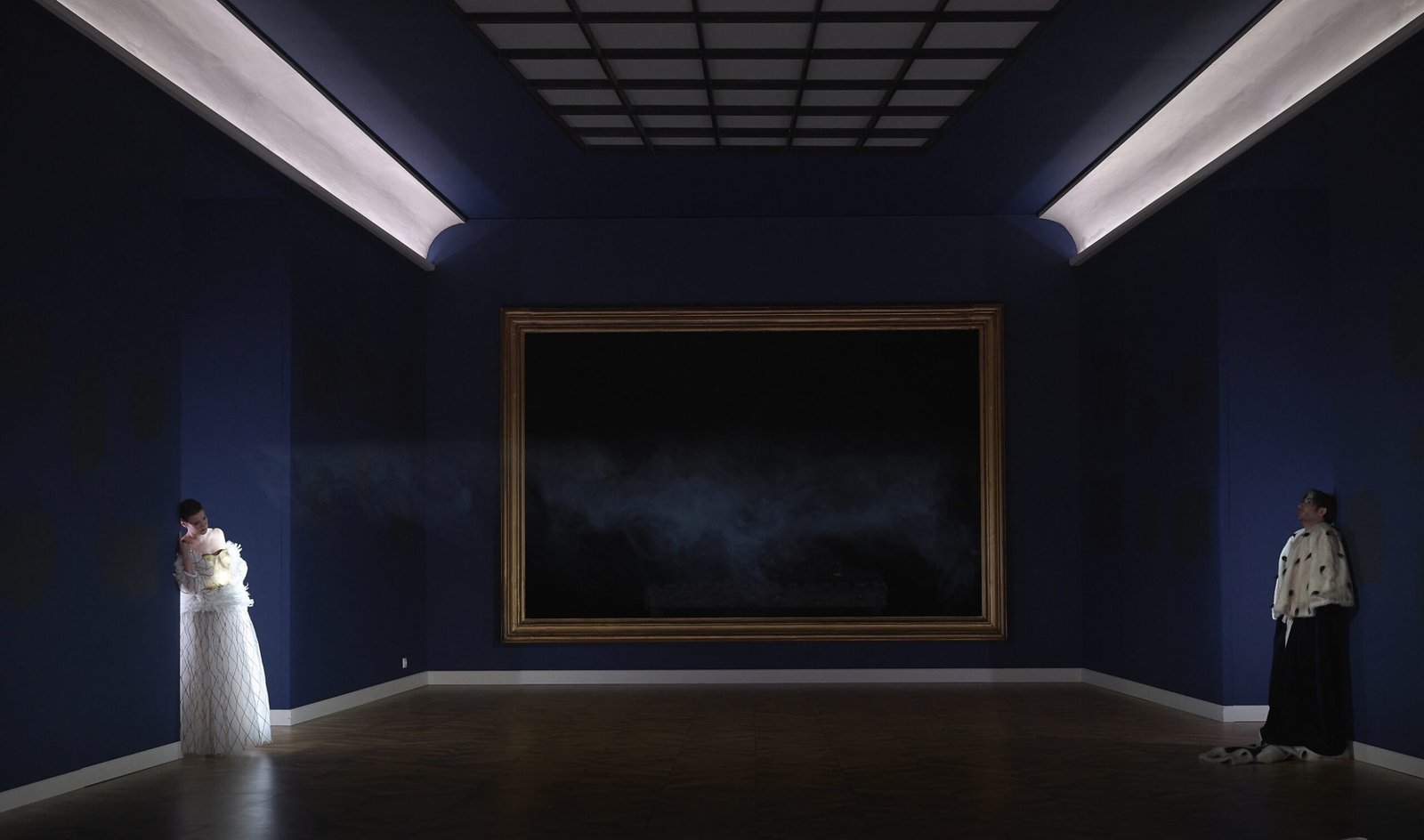
© Matthiaus Baus
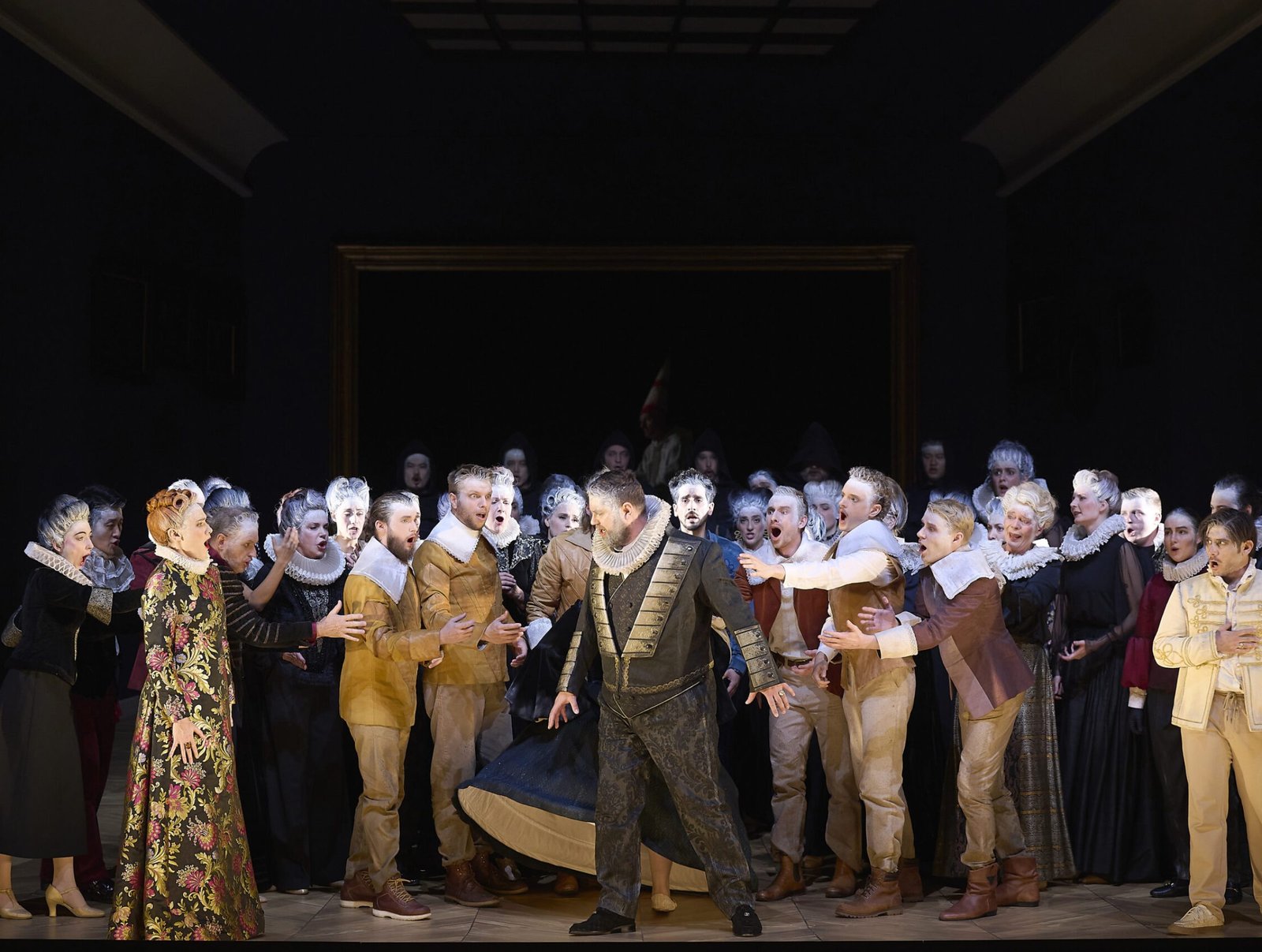
Elena Tzavara directed and designed the production. She is the theatre’s outgoing general director. Her season motto is “Über:Macht”, or “Over:Power”. Verdi’s drama of kings, priests and rebels fits it well.
The singing
Mario Rojas sang the title role. The Mexican tenor is an experienced guest. His voice was bright with controlled power. It soared over the full orchestra effortlessly. His Carlo sounded young and fragile.
Dominic Barberi, a Maltese bass, sang King Philip. His great scene, “Ella giammai m’amò”, was the emotional peak. The king sits alone. He concedes that his wife never loved him. Barberi sings in frozen solitude. His lament is one of muted authority.
Most other roles came from the house ensemble. That is a credit to Aachen. Larisa Akbari sang Elisabetta with royal poise. Even her quietest notes resonated. Irina Popova, a Bulgarian soprano, was an emotionally poignant Eboli. She mixed sensual tone, agile coloratura and dramatic bite.
Jorge Ruvalcaba made his debut role as Rodrigo, the Marquis of Posa. The Mexican baritone is a graduate of the Escuela Superior de Música in Mexico.
Additionally, in 2020 he completed his Master’s degree, as well as a Postgraduate Diploma in Vocal Performance at the San Francisco Conservatory of Music. He has been an integral part of the ensemble since the 2023/24 season. He offered a noble sound, a firm middle voice and real warmth. Max Bell, as the Grand Inquisitor, completed a formidable line-up.
The international cast make up put music on centre stage. Ethnicity was a bit player. Mexico, Malta, and Bulgaria were all represented. The Opernchor, the full-time, professional singing ensemble attached to the opera house and Extrachor Aachen sang with a warm, colourful sound.
The Extrachor consists of trained amateur singers, students, or part-time vocalists who join the full-time resident opera choir for large-scale productions. The marriage between the Opernchor and the Extrchor was seamless. I defy anyone to identify which singer belonged to which choir. The singing was of irreproachable stature at every level.
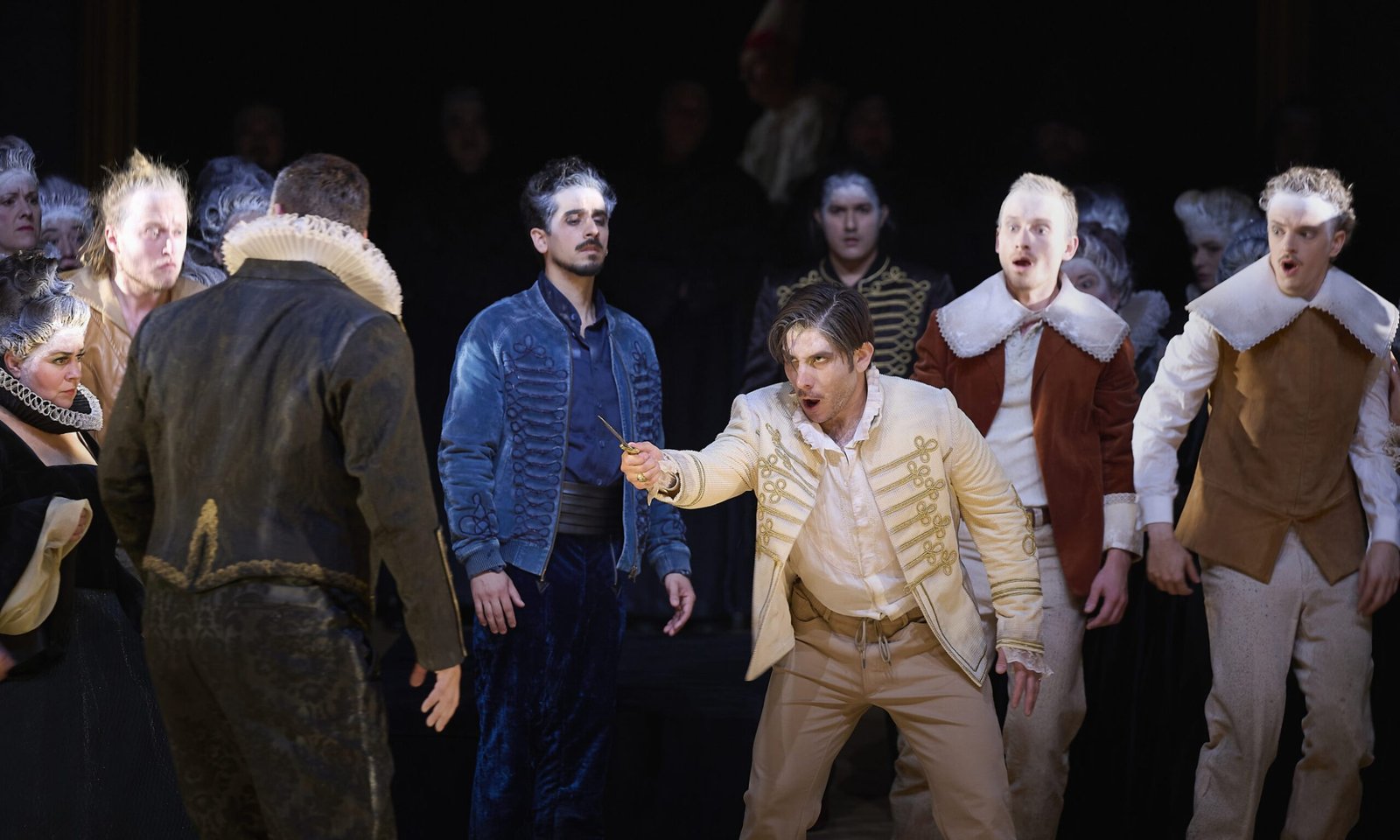
© Matthiaus Baus
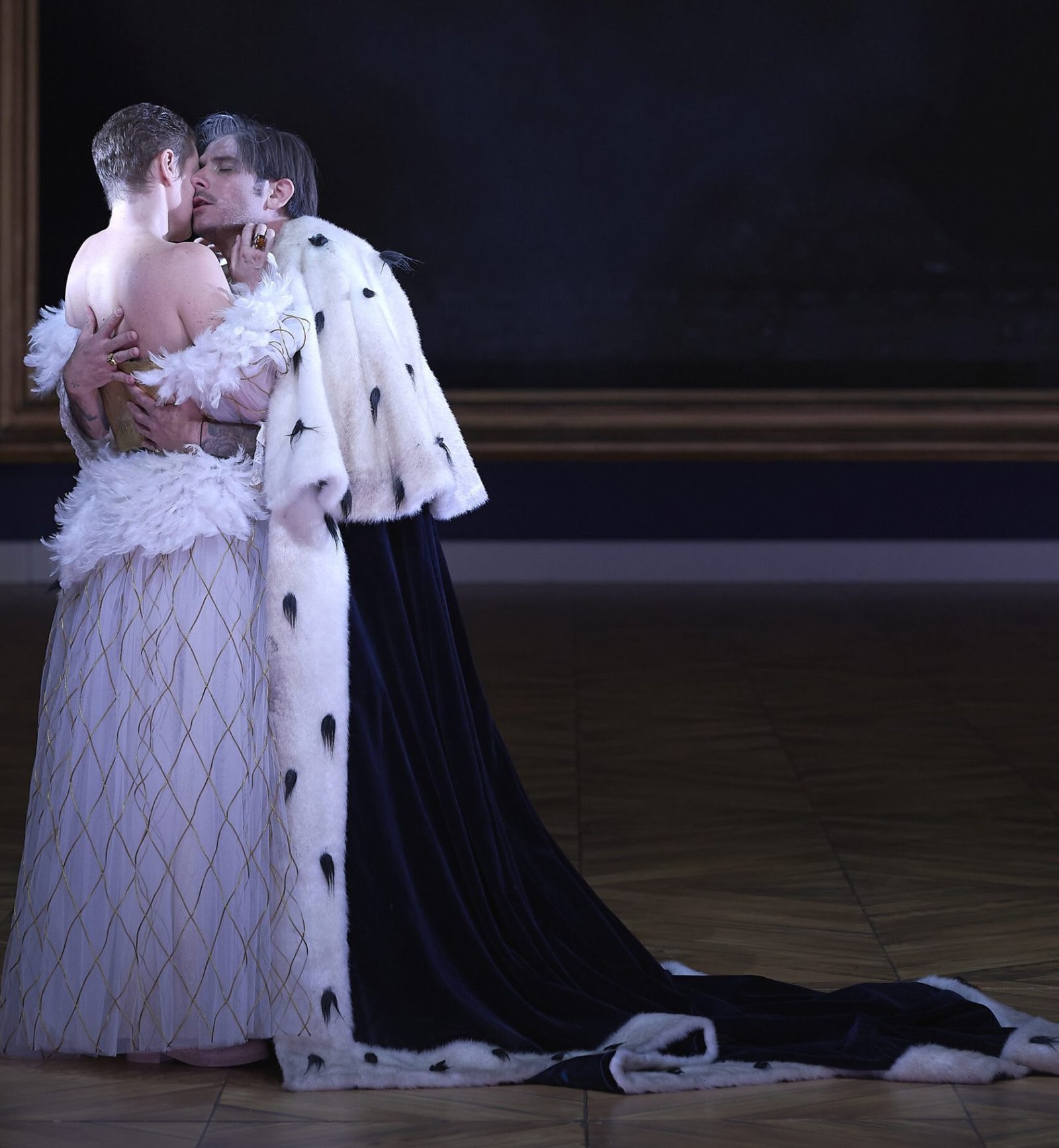
© Matthiaus Baus
The staging
Tzavara filled the stage with picture frames. The frame becomes the central image of the evening. The idea may be considered an ambitious choice by some. A frame suits a court where everyone is watched. Nothing ever escapes it.
For me it was an ill inspired choice. I felt that this overtly minimalist approach was mismatched with so sumptuous a musical performance. It was like having vintage champagne with store bought pizza. It annoyed me all evening.
The big scenes got big sets. The auto-da-fé, the court ritual, and the machinery of the Inquisition all loomed large. Susanne Hiller designed the costumes. Yannik Funken did the lighting. Luca Fois made the video.
The quiet scenes were the most effective. Tzavara kept the duets close and humane. Carlo and Elisabetta. Carlo and Rodrigo. Philip and Elisabetta. Philip and the Inquisitor. Each pair fought a private war within a public system.
The characters progressively gained depth. Philip is no mere tyrant. He is a lonely, jealous man – dependant on others. Carlo is a prince, broken by his father’s power and his own immaturity. Elisabetta is no passive victim. She had to choose between love, duty and dignity. Eboli is no mere schemer. She battles for standing inside a rigid court.
The Pit
Török was born in Hungary in 1993. He studied in Vienna. He has worked in Regensburg, Ulm and Schwerin. He also led the North Hungarian Symphony Orchestra in Miskolc.
I appreciated the restrained passion and precision of his orchestra. They displayed a cornucopia of rich soundscapes. It was never overbearing. It served its purpose in supporting the singers. The Sinfonieorchester Aachen presented itself as a confident partner. The orchestra boasts a proud ancestry. Herbert von Karajan led the house from 1935 to 1942.
The Work
Verdi first wrote the opera for Paris in 1867. It was in French and had five acts. He later cut and rewrote it. Aachen plays the four-act Italian version, his late revision of 1884. Conductors and directors still debate which version works best. The libretto is by Joseph Méry and Camille du Locle. It follows Friedrich Schiller’s political drama.
Philip II rules a world empire. He cannot rule his wife’s heart. She loves his son. The son is torn between his mother and the fight for Flanders. Overall of them stands the Grand Inquisitor. The opera is part love story and part political thriller.
The duet of Carlo and Rodrigo, “Dio, che nell’alma infondere”, seals their oath of friendship. It is a test for any tenor and baritone pair. Both men received praise. The opera is sung in Italian. German and English surtitles were provided.
The Verdict
This is a night for those who love voice. The singing was beyond excellent. The staging was unnecessarily austere and minimalist. Fortunately, the quality of the singers and the orchestras deliver a sum total that exceeds expectations.
“Don Carlo” runs through 17 January 2027. Further performances are on 15 and 30 October, 7 and 22 November, 11 and 27 December, 2 January and 17 January.
© Matthiaus Baus